What Is AEO (Answer Engine Optimization) and Why It Matters for Your Business in 2026
Search is changing faster than most businesses realize. For years, ranking on Google was about keywords, backlinks, and technical SEO. If you had the right strategy, your website could appear in search results and bring in traffic. But today, something fundamental has shifted. People are no longer just “searching”.
They are asking.
Instead of typing short keywords, users are now asking full questions through tools like AI assistants, voice search, and conversational interfaces. And those systems are not just matching keywords; they are understanding meaning.
AEO (Answer Engine Optimization) means structuring your website so AI tools like ChatGPT and Google’s AI Overviews can understand it and use it as the answer.
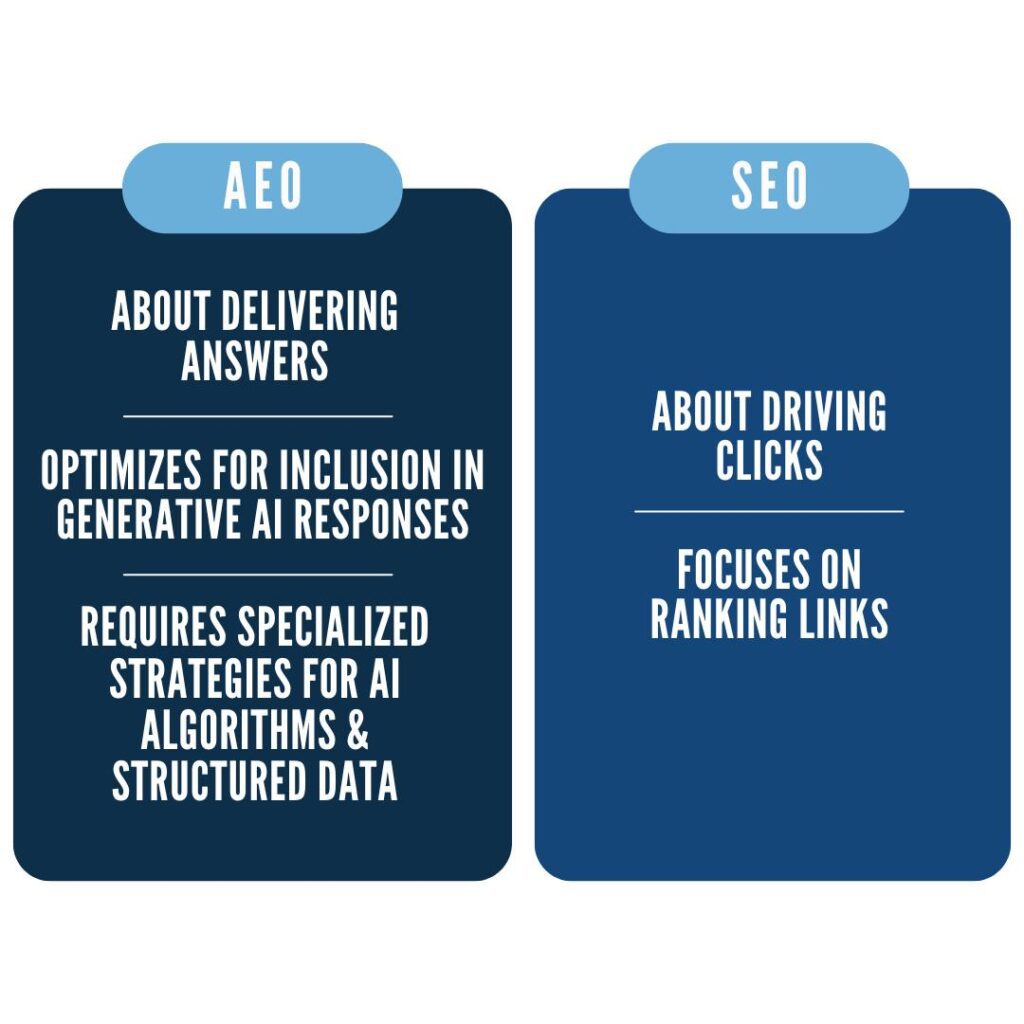
SEO helps you rank in a list of links. AEO helps you become the single answer.
Most websites were built for design and basic SEO, not for AI to read.
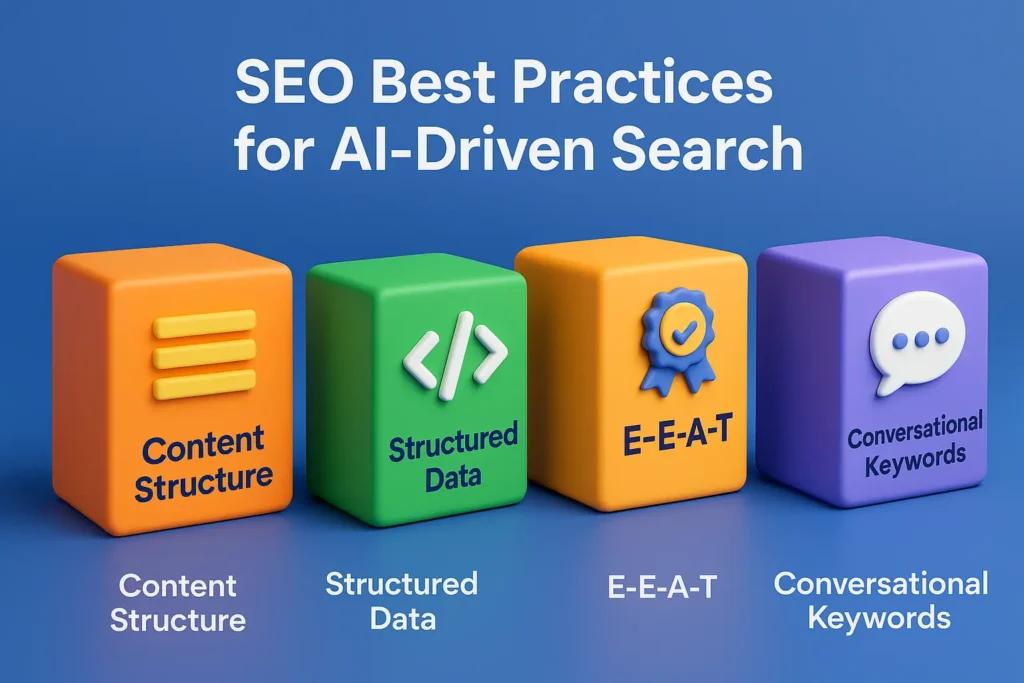
AEO comes down to three things: clear structure, content that answers real questions, and consistent, easy-to-read messaging.
The best approach isn’t SEO or AEO. It’s both, working together.
Answer Engine Optimization (AEO) is the process of structuring your website and content so that it can be directly understood and used by AI-driven search systems.
Unlike traditional SEO, which focuses on ranking pages, AEO focuses on providing clear, structured answers to user queries.
Instead of asking: “How do I rank higher?”
AEO asks: “How do I become the answer?”
How Search Has Changed (SEO vs AEO)
Traditional search worked like this:
Users typed keywords
Search engines matched pages
Users clicked links
Today, search looks very different:
Users ask questions
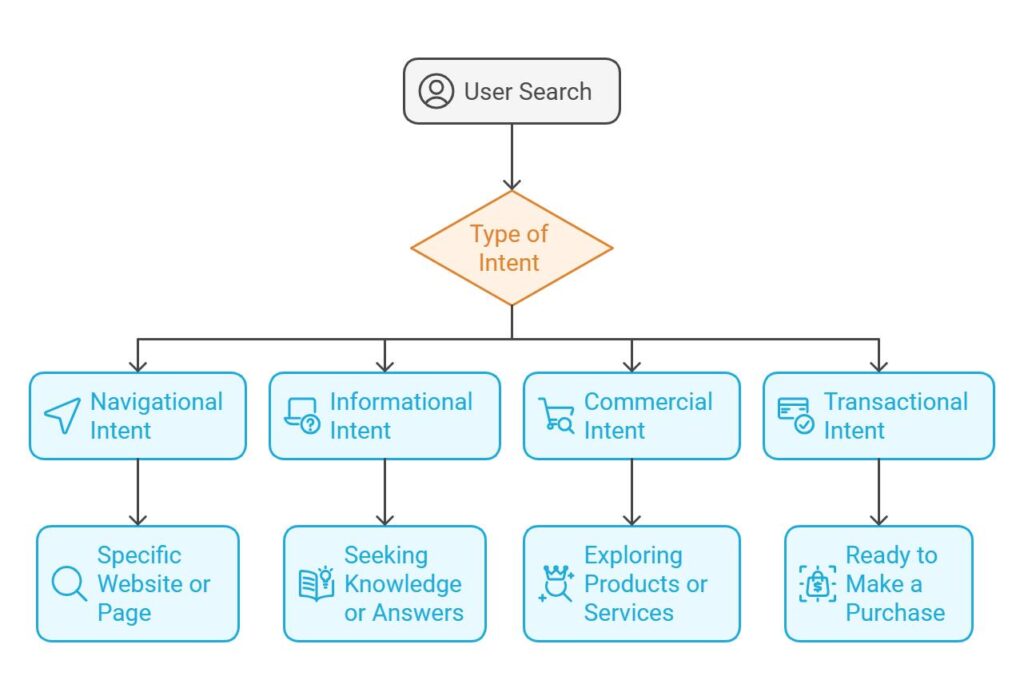
AI systems interpret intent
Answers are generated instantly
Instead of showing 10 links, platforms now try to deliver one clear answer.
If your website is not structured properly, it may never be considered even if your content is valuable.
Why AEO Matters for Businesses in 2026
This shift is not theoretical. It is already happening.
Businesses that rely only on traditional SEO are starting to notice:
Decreasing organic clicks
Lower visibility despite ranking
Reduced engagement
That’s because visibility is moving away from “ranking pages” and toward being selected as the answer.
If your business is not part of that system, you are effectively invisible in modern search environments.
The Real Problem: Most Websites Are Not Built for AI
If you want to stay visible in 2026 and beyond, your strategy needs to evolve.
Start by:
Structuring your website content properly
Creating content around real user questions
Aligning messaging with intent, not just keywords
Building a system, not just a website
For businesses in Kitchener-Waterloo, this matters now. Customers increasingly ask AI tools questions like “Who builds websites in Kitchener?” or “Which agency does SEO in Waterloo?” Tecticx helps local businesses structure their websites so they become that answer. Learn more about our SEO, AEO and GEO services, or read our guide to Waterloo SEO.
Search is no longer just about being found. It is about being understood. Businesses that adapt to this shift will gain a significant advantage, while others will struggle to stay visible.
If your website is not being found, the issue may not be traffic; it may be structure and visibility.
At Tecticx, we help businesses build digital systems that align with modern search, AI understanding, and real user intent.
If you want to understand where your website stands, you can start with a simple audit and see what’s missing.
Ask ChatGPT or Google a question your customers would ask. If your business does not come up, your website probably needs clearer structure and content.